
Product guide updates
(6 total)- 2026-06-09 — Added link to Asics Cumulus 28 review.
- 2026-04-30 — Updated affiliate links.
- 2026-04-17 — Added alternatives to scrollable carousel under each recommendation.
- 2026-04-17 — Created FAQ with relevant question and answer pairs.
- 2026-04-17 — Migrated product guide to new editorial format.
- 2026-04-17 — Updated all the major recommendations.
In this product guide:
How we selected
Our recommended running shoes for supinators and underpronators are grouped by uses cases – daily training, max-comfort for easy runs, marathons, and short-distance speedwork. By connecting each feature with its respective function, the ‘why it works’ section explains why a particular shoe (in its respective class) is a good match for a supinated gait. The scrollable carousel contains alternatives within each recommended category. For example, the alternatives to the Asics Cumulus 28 (our daily trainer pick) are the Saucony Ride 19 (for heavy supinators), Asics Novablast 5 (for a softer ride), and two others. When combined, this product guide contains 20 different running shoe recommendations for underpronators.
- Best for daily runs: Delivers versatile comfort for a supinated gait.
- Best for max-cushioning: Maximizes comfort for underpronators.
- Best for marathons: Carbon-plated racers that support underpronation.
- Best for 5K, 10K, tempos: Speed-friendly shoes that do not hinder arch loading.
Our recommendations combines our influence-free, expert-led wear-testing with data sourced from over 20,000 high-speed images captured during actual road races. Visit our FAQ section at the bottom to know more about running shoes that work best for supinators and underpronators.
Why it works (the basics)
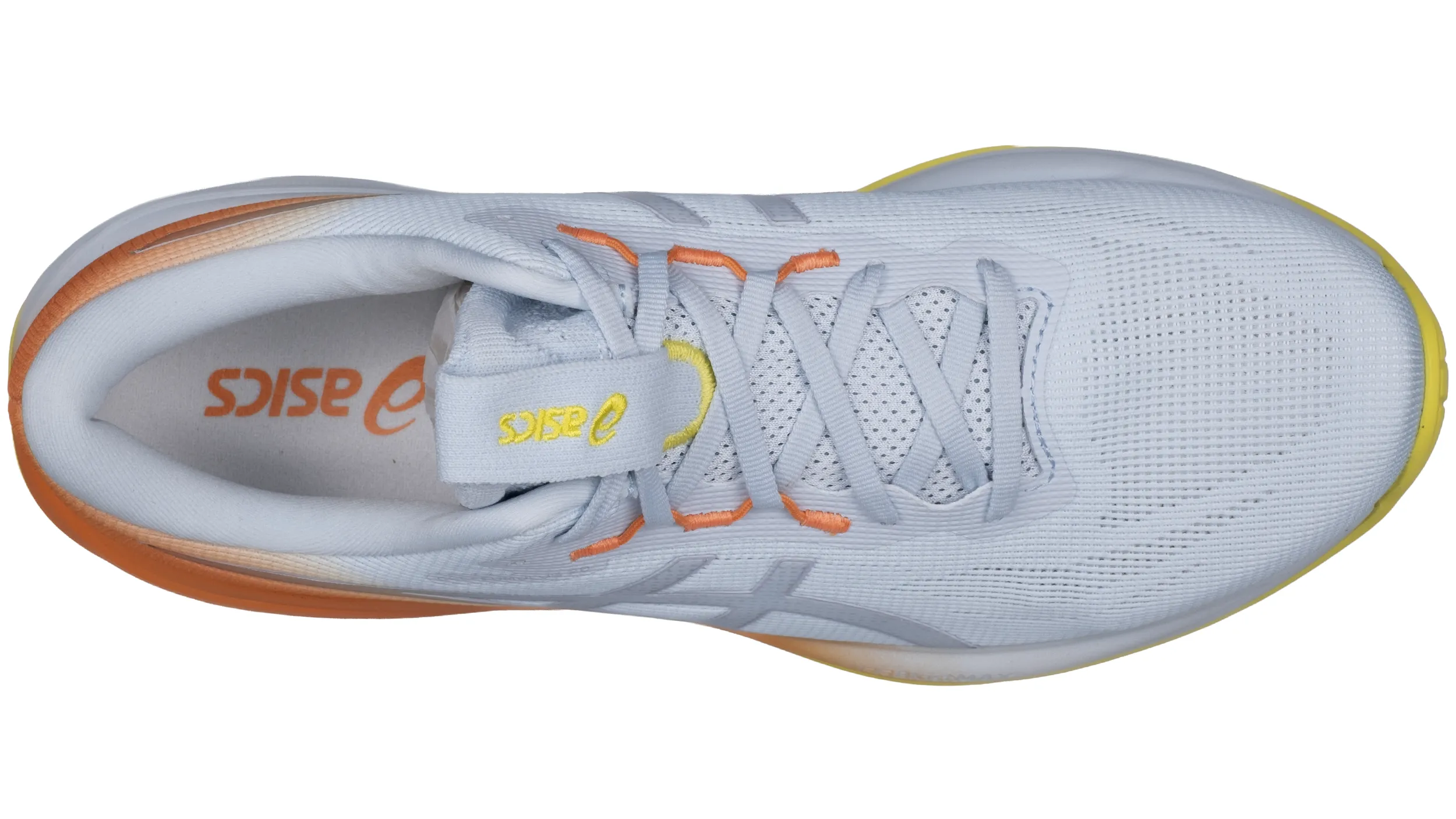
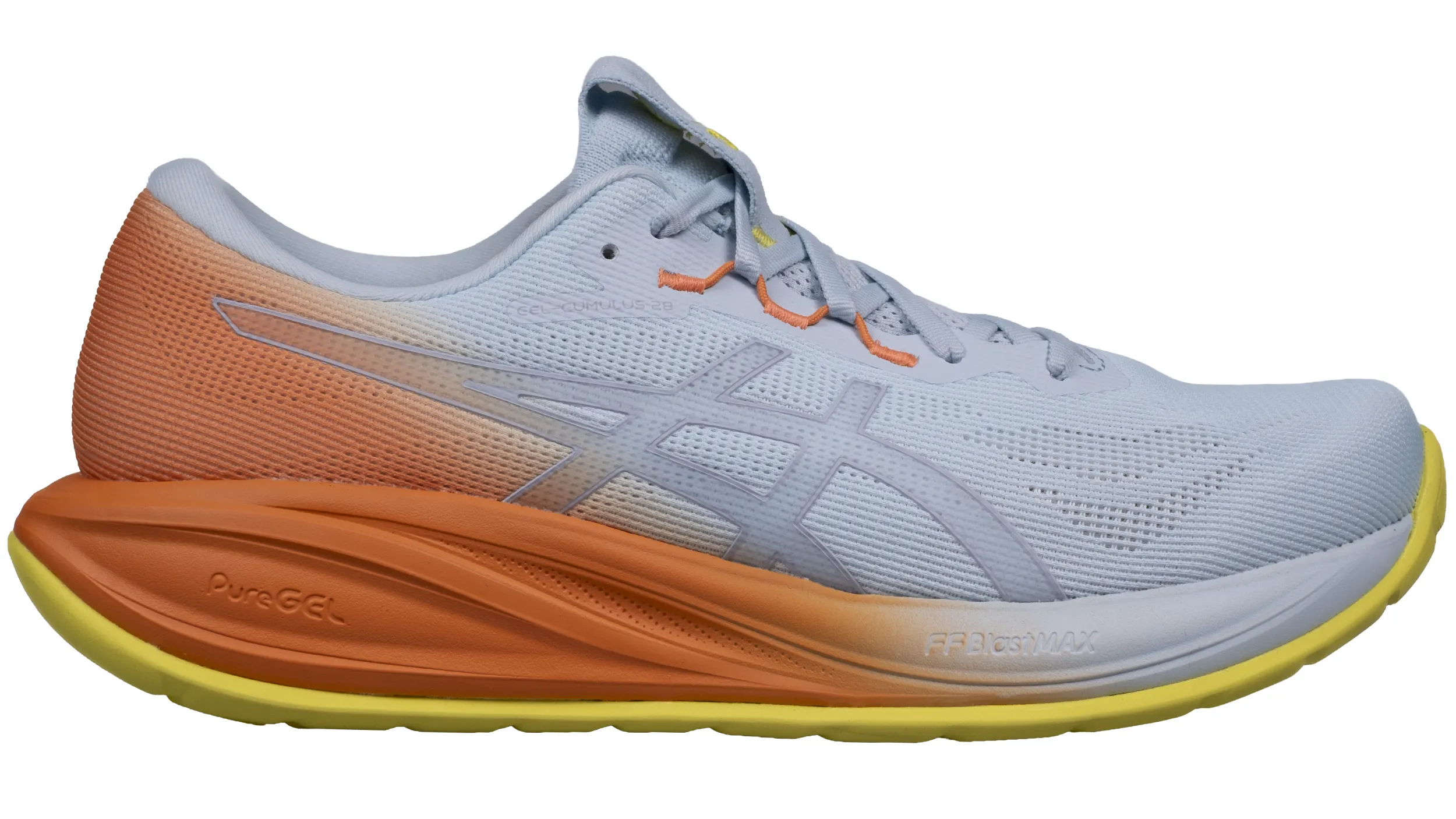
- Flytefoam Blast Max midsole → allows natural arch loading.
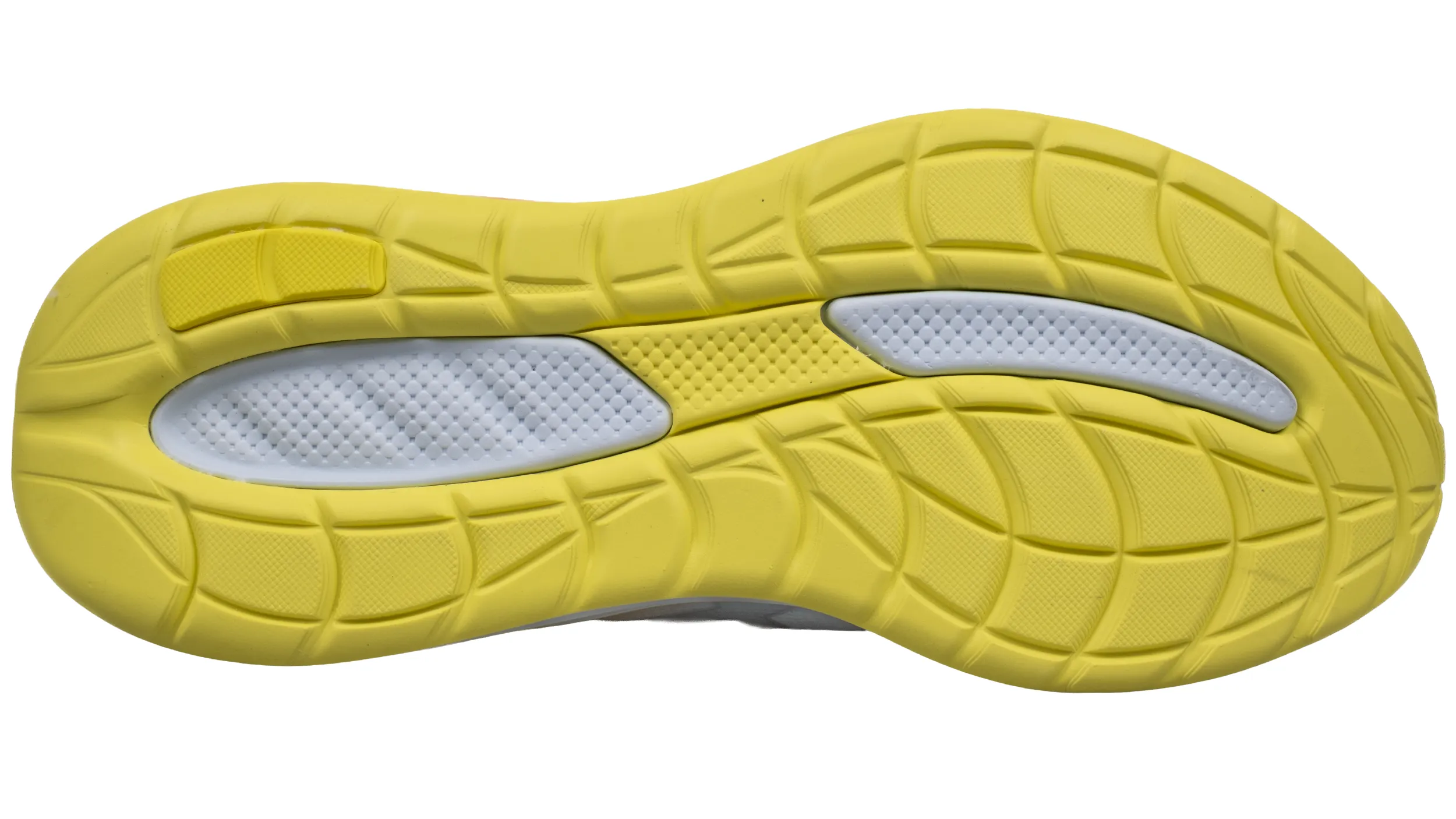
- Supportive EVA-blend outsole → acts like a supportive cradle.
- Exposed outsole windows → creates a bias-free, neutral ride.
- Just-right upper fit → hugs the foot without pressure hot spots.
- Blown-foam Ortholite insole → pads the arch with step-in softness.
🔍 Deep Dive
Shoes like the Asics Cumulus 28 and Saucony Ride 19 may seem out of place in a world where every second shoe has a superfoam midsole with a carbon plate. But the very absence of such features is what makes the Cumulus 28 an excellent choice for underpronators. The Cumulus is based on a simple premise that works – deliver everyday comfort without the theatrics. The FF Blast Max foam lets the foot roll in naturally during everyday runs, while the neutral midsole geometry reduces cushioning bias.
Pros
- Neutral ride supports under-pronated gait.
- Just-right softness lets arch load naturally.
- Secure, Goldilocks fit.
- Works for heel and midfoot strikers alike.
Cons
- Outsole traction on slick surfaces.
Other daily trainers for supinators and underpronators.
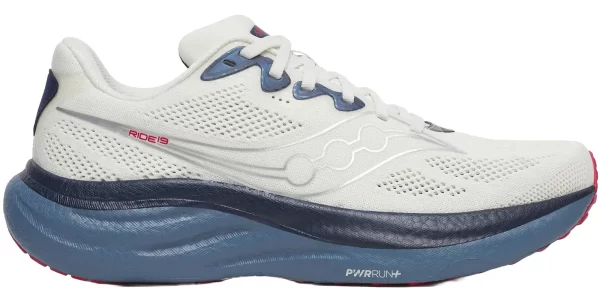
Saucony Ride 19
Works best for heavy runners.
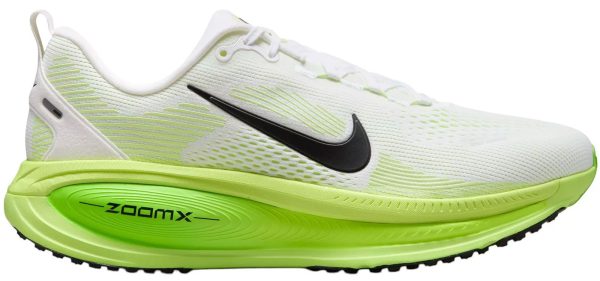
Nike Vomero 18
A highly cushioned trainer with a transition-friendly rocker.
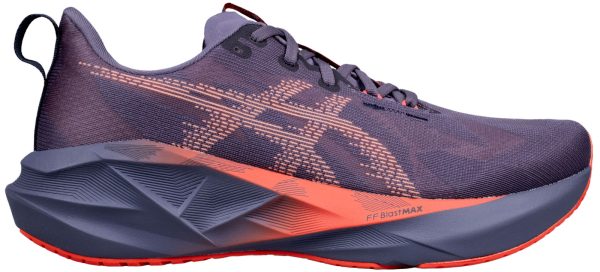
Asics Novablast 5
A softer ride with a tighter fit than the Cumulus.
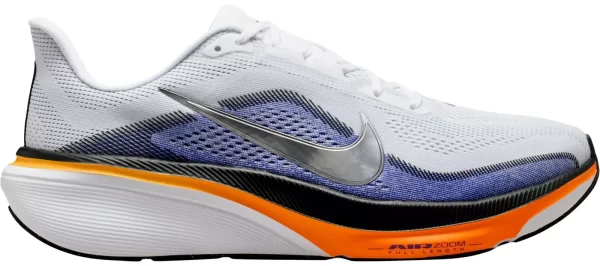
Nike Pegasus 42
This daily training workhorse delivers reliable cushioning for supinators.
Fit Notes
True to size with a secure fit. Semi-stretch tongue.
Gallery
Specs
- Heel stack: 40 mm
- Forefoot stack: 32 mm
- Drop: 8 mm
- Weight: 9.2 oz / 262 gms
- Widths: Regular, wide.
- Midsole: FlyteFoam Max Blast foam, EVA outsole.
- Insole: Removable Ortholite, blown foam strobel.
Why it works (the basics)
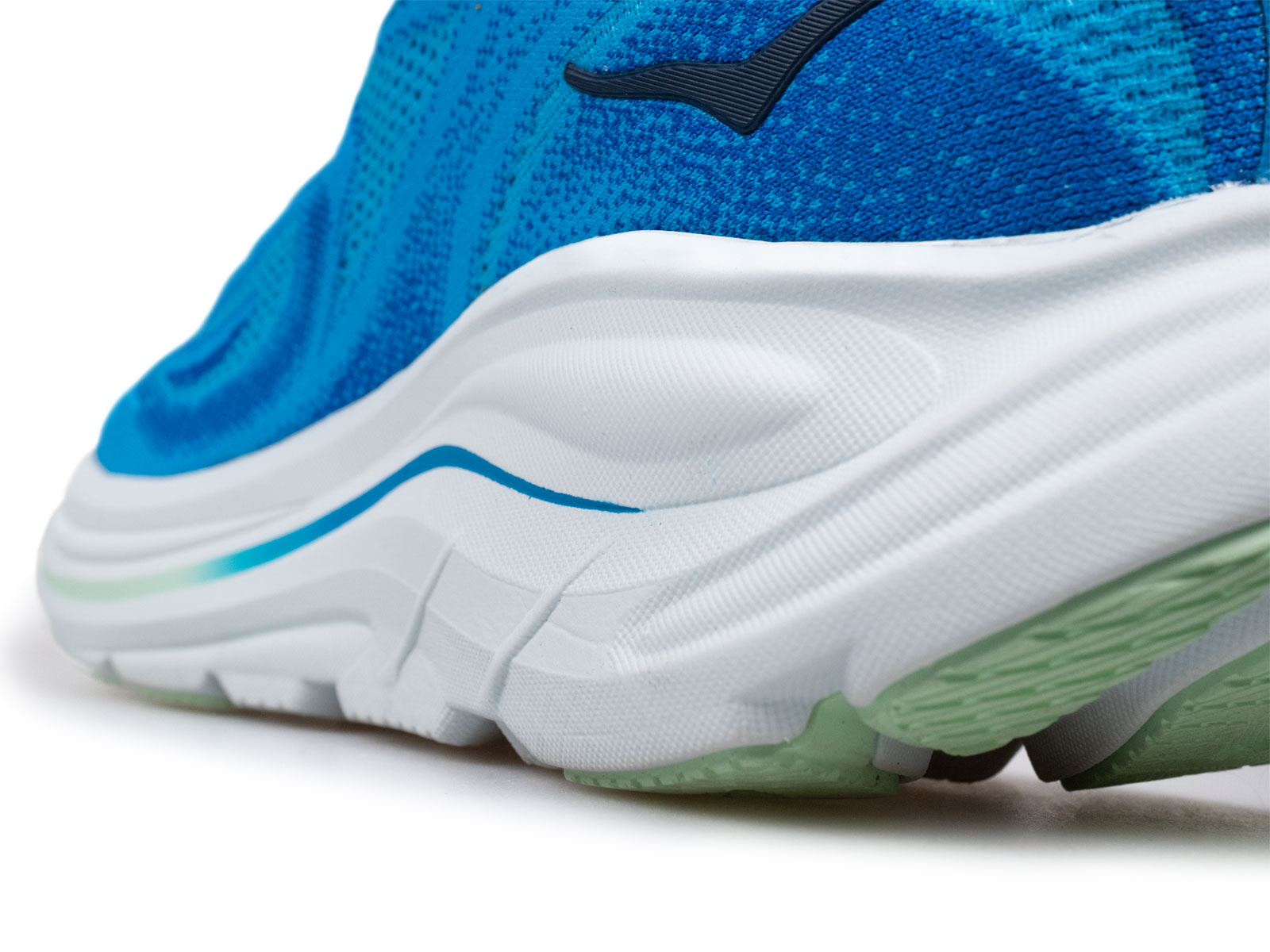
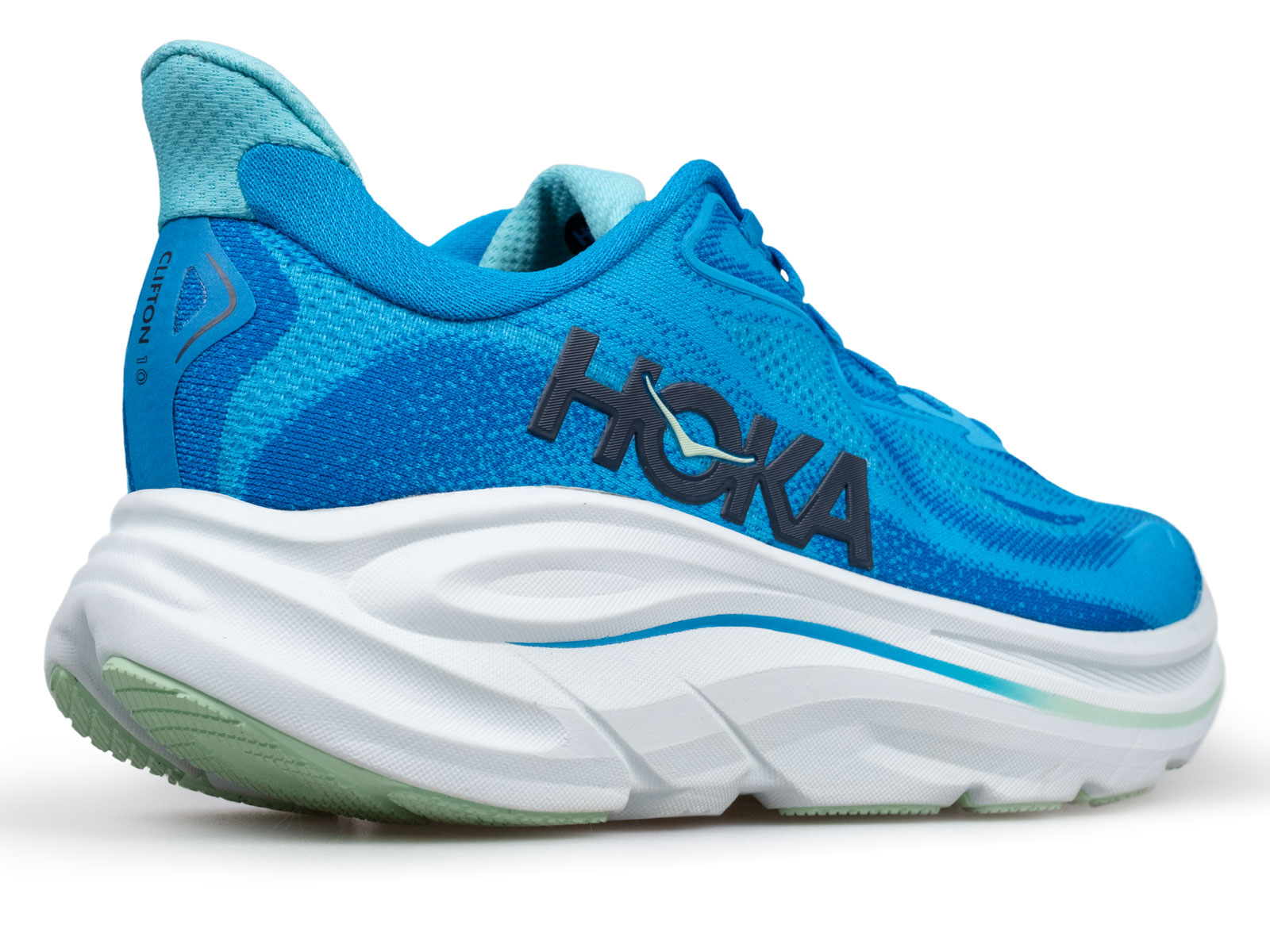
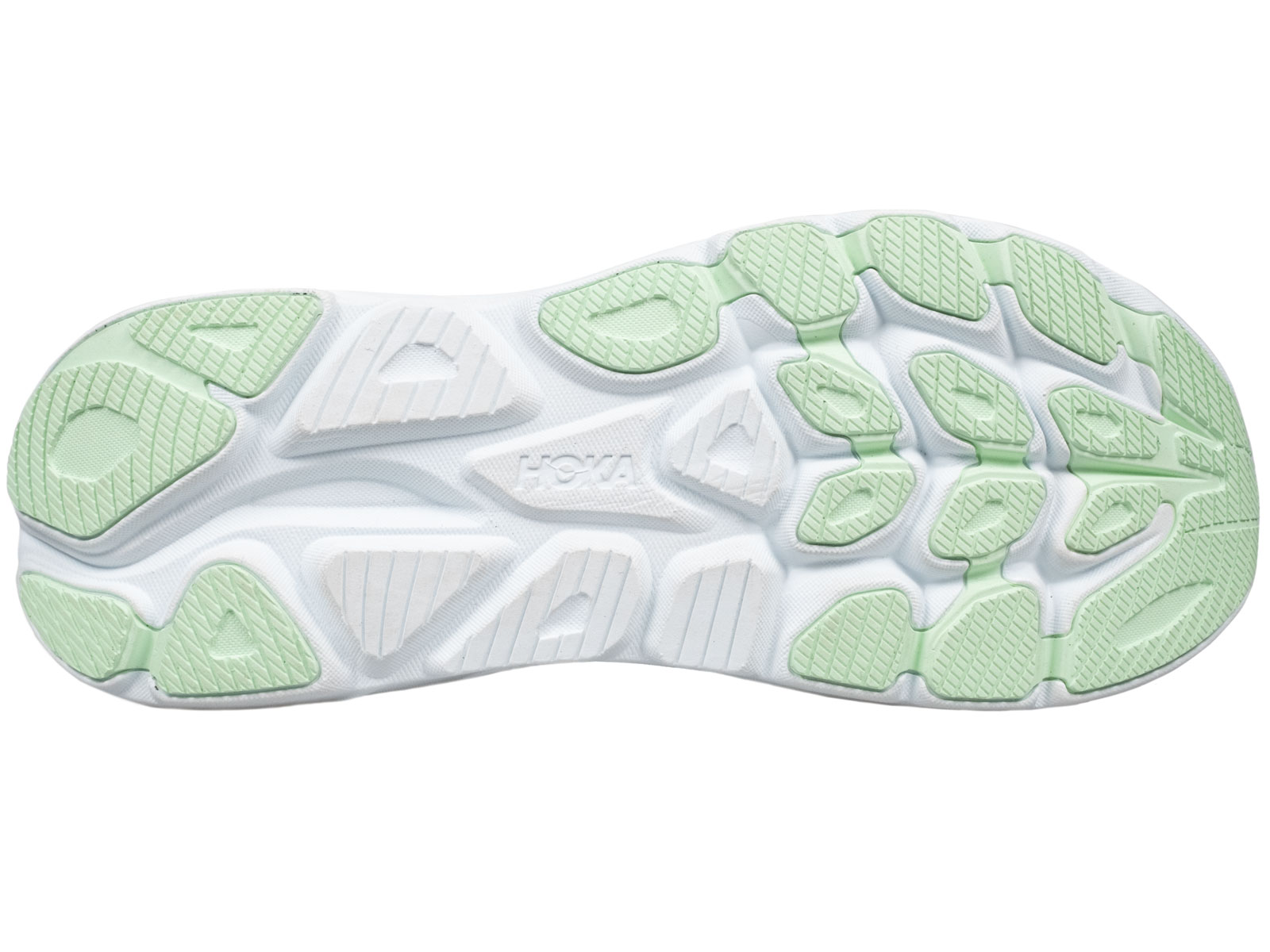
- Wide EVA-blend midsole → delivers supination-compliant comfort.
- Removable insole → creates underfoot softness.
- Balanced sidewall design → makes ride neutral for underpronators.
- True-to-size upper → secures the foot without restricting gait cycle.
- 8 mm heel-to-toe drop → doesn't stress the calves and Achilles.
🔍 Deep Dive
If you have a supinated or under-pronated gait, the Hoka Clifton 10 makes a strong case for itself. The EVA foam-blend midsole has abundant cushioning, and all of it is a neutral kind. In other words, the balanced midsole sidewall geometry and wide base doesn’t interfere with a supinated gait, allowing the foot to roll inwards naturally. Just under the foot, a foam insole adds easily accessible softness. The plush upper fits securely without squeezing the foot.
Pros
- Supination-friendly neutral ride.
- Deep cushioning for easy or long runs.
- Mild rocker effect.
- Secure, true-to-size upper.
- Reflective trims for visibility.
- Optional widths for larger underpronators.
- Heel and midfoot-strike-friendly.
Cons
- Limited versatility, struggles at faster speeds.
- Thick upper runs warm.
- Wet surface traction needs improvement.
Other max-cushioned trainers for supinators and underpronators.
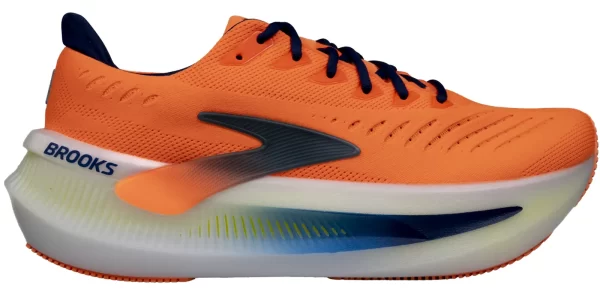
Brooks Glycerin Max 2
Firmer front, softer rear midsole. Two flavors in one.
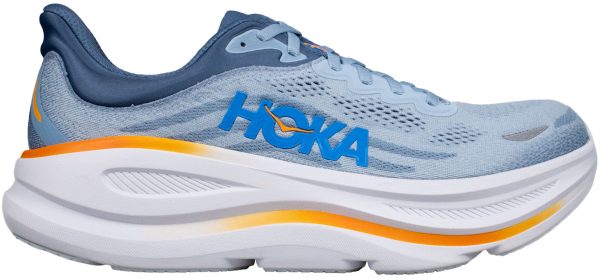
Hoka Bondi 9
A beefed-up Hoka Clifton 10, but slower.
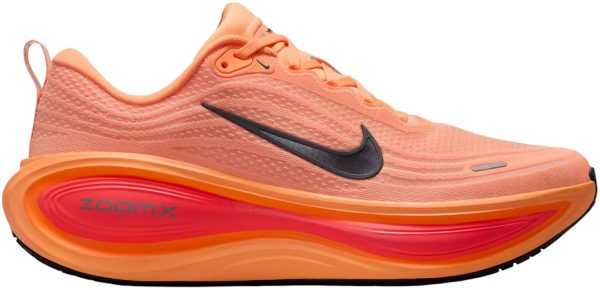
Nike Vomero Plus
Max-cushioning with an edge over EVA foam-blend midsoles.
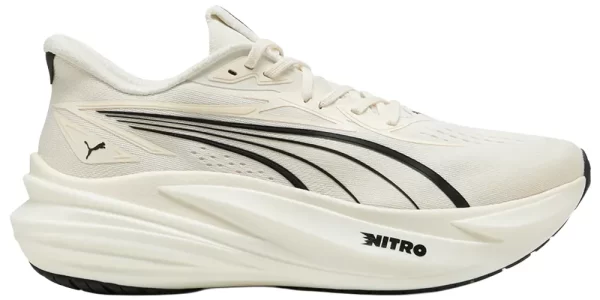
Puma MagMax Nitro 2
Excellent for heavy supinators and underpronators.
Fit Notes
True to size with a snug forefoot. Thick mesh upper can get warm. No sleeve, avoids no tongue slide, thanks to the dual lacing loops.
Gallery
Specs
- Heel stack: 43 mm
- Forefoot stack: 35 mm
- Drop: 8 mm
- Weight: 9.8 oz / 278 gms
- Widths: Regular, wide, extra-wide.
- Midsole: EVA-blend foam.
- Insole: Molded, removable.
Why it works (the basics)
- Molded midsole ridges → makes ride neutral, supports underpronation.
- ZoomX foam core → adds supination compliant cushioning.
- Carbon Flyplate → assists gait cycle and speedwork.
- Secure and breathable fit → locks down foot over the midsole.
🔍 Deep Dive
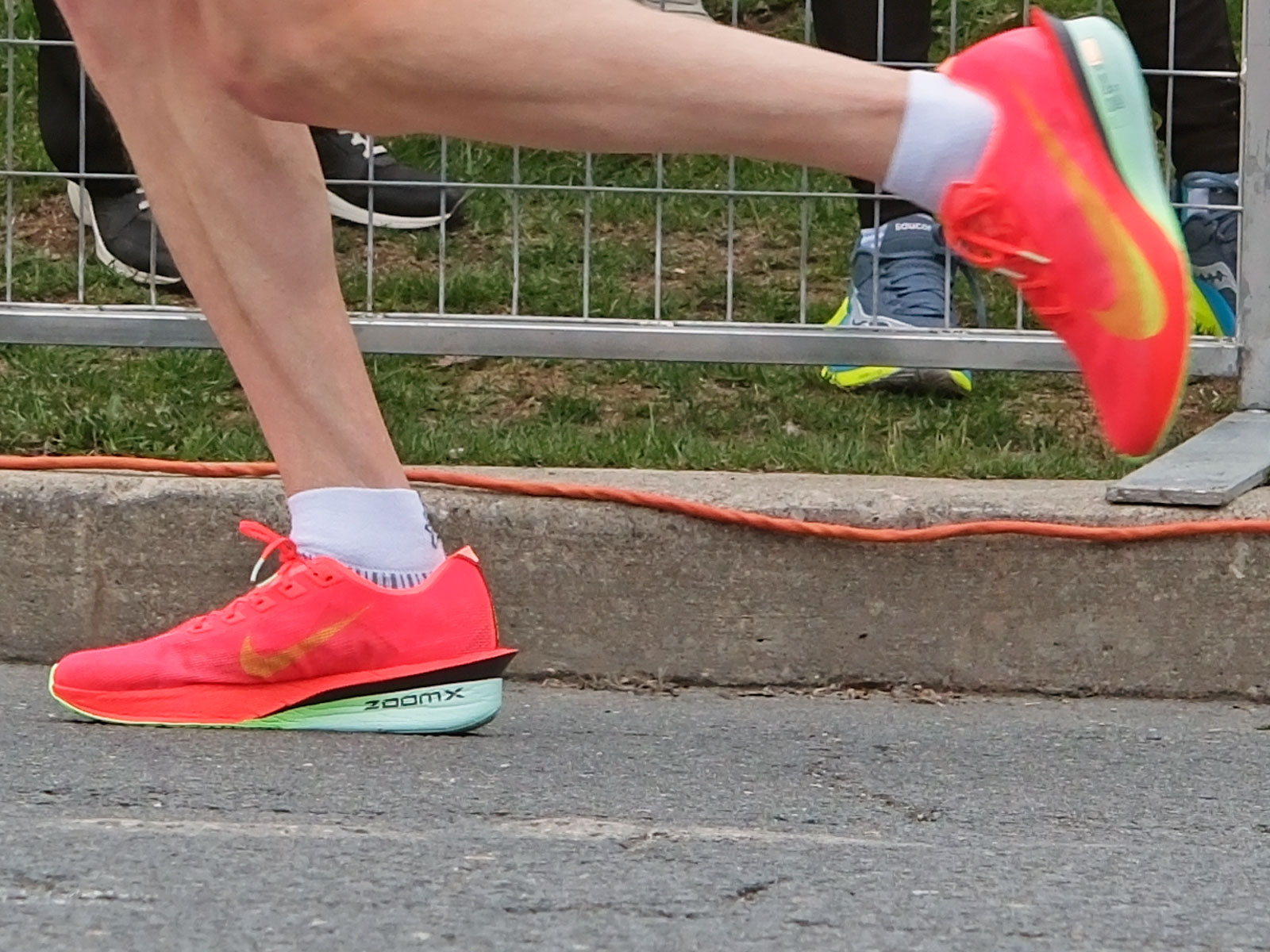
The Vaporfly 4 is an improvement over the Vaporfly 3, not just for supinators, but in general. The upper fits more securely, and the midsole has been reinforced with molded ridges that improve stability. The updated midsole geometry is beneficial for supinators and underpronators in two ways. The ZoomX midsole provides cushioning compliance for an under-pronated gait. Simultaneously, the improved stability keeps the ride neutral – an important attribute that supinators and underpronators benefit from. The rest is standard Vaporfly stuff – propulsive rocker, high-mileage comfort, and a distraction-free upper.
Pros
- Supination compatible, neutral ride.
- Improved stability over the Vaporfly 3.
- Outsole grip.
- Ventilation
- Propulsive rocker.
Cons
- Heel fit needs improvement.
- Low compatibility with heel strikes and slow speeds.
Other marathon shoes for supinators and underpronators.
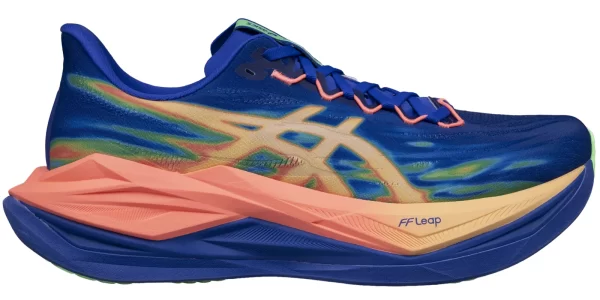
Asics Superblast 3
Plate-less cushioning that suits underpronators.
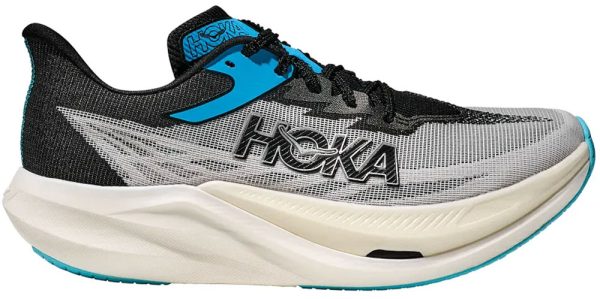
Hoka Rocket X3
If you value upper ventilation and comfort.
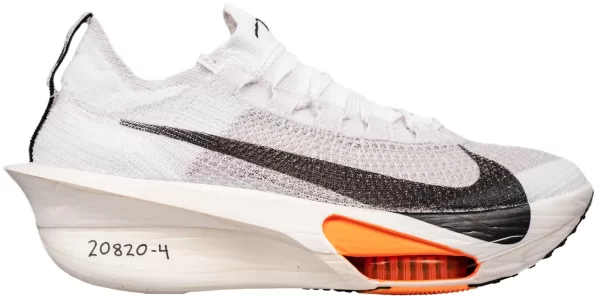
Nike Alphafly 3
Expensive, but surprisingly capable for supination.
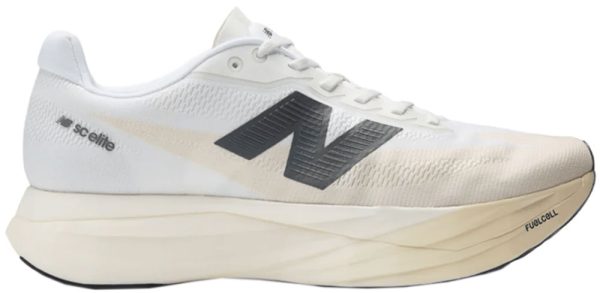
New Balance SC Elite 5
For a softer ride and tighter fit than the Vaporfly.
Fit Notes
True to size. Excellent forefoot fit. Breathable. The heel fit needs to be improved.
Gallery


Specs
- Heel stack: 35 mm
- Forefoot stack: 29 mm
- Drop: 6 mm
- Weight: 6.7 oz / 190 gms
- Widths: Regular (single).
- Midsole: ZoomX foam, carbon plate.
- Insole: Molded, removable.
Why it works (the basics)
- Firmer, last generation Lightstrike Pro → for a supination compliant ride.
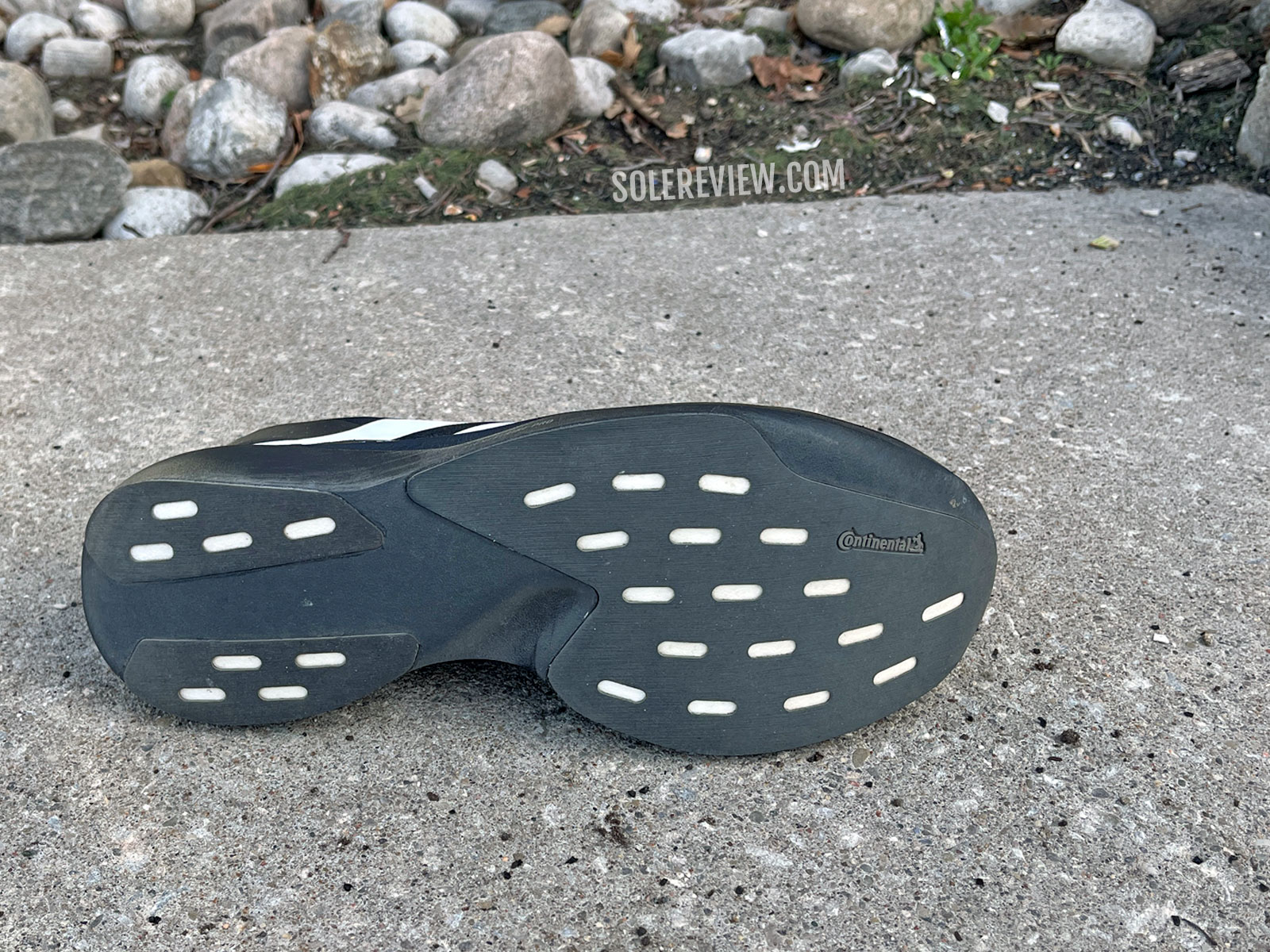
- Grippy outsole → aids quicker transitions.
- Balanced midsole architecture → makes the ride neutral for underpronators.
- Solid midsole heel core → prevents negative drop.
- Accommodating upper → secures the foot without restricting gait cycle.
- Wide midfoot shank → adds torsional stiffness.
🔍 Deep Dive
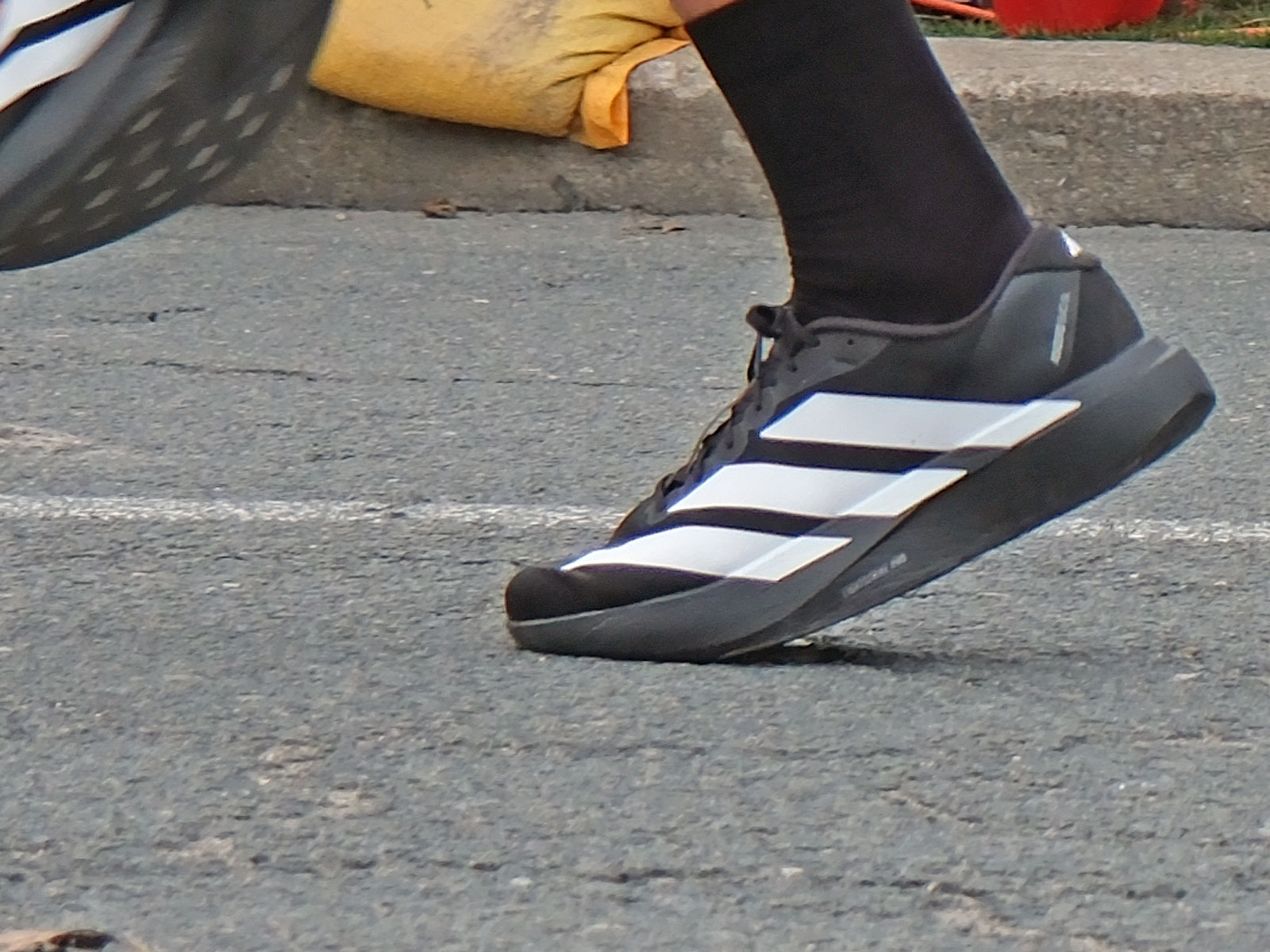
At the heart of the EVO SL’s oversized success isn’t a glitzy suite of carbon-fiber plates and rocker geometry magic. It’s the sheer simplicity of design that allows the EVO SL to run like a well-oiled machine. The midsole uses a previous version of Lightstrike Pro foam that made the Adios Pro 3 so versatile. This foam keeps the softness in check, preventing the midsole from bottoming during runs. The heel core isn’t hollow, so negative heel offsets don’t happen. A plastic midfoot shank prevents midsole twisting during a supinated gait cycle. The spacious upper doesn’t get in the way of the natural arch roll.
Pros
- Neutral ride with minimal bias.
- Midfoot shank for torsional stiffness.
- Accommodating fit.
- No penalty for slow speeds and heel strikes.
Cons
- Tongue slide.
- Doesn't offer widths.
- Lacks reflective trims.
Other 5K, 10K, and tempo shoes for supinators and underpronators.
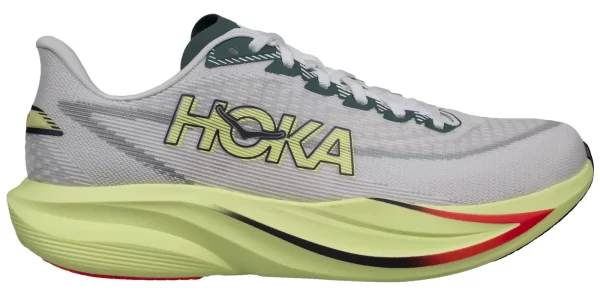
Hoka Mach 7
For a more locked-down fit than the EVO SL.
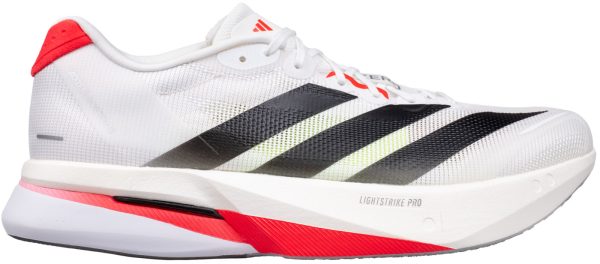
adidas Boston 13
For a wider toe box than the EVO SL. Also has Energy Rods.
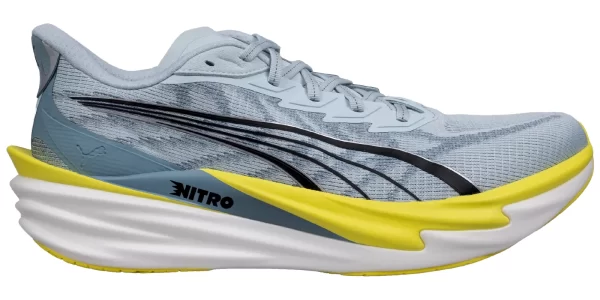
Puma Deviate Nitro 4
Speed enabling comfort, served on a plate.
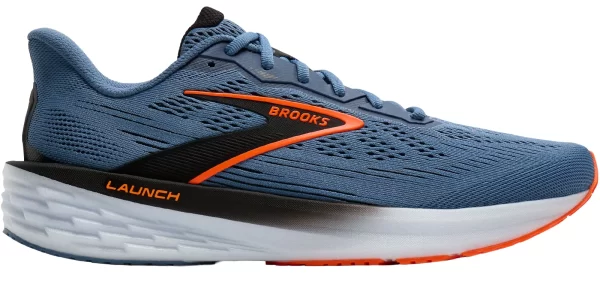
Brooks Launch 12
A speed trainer for less money than the EVO SL.
Fit Notes
True to size. Spacious gusset-free fit, but watch out for that tongue slide.
Gallery
Specs
- Heel stack: 39 mm
- Forefoot stack: 33 mm
- Drop: 6 mm
- Weight: 7.9 oz / 224 gms
- Widths: Regular (single).
- Midsole: Lightstrike Pro foam (last gen).
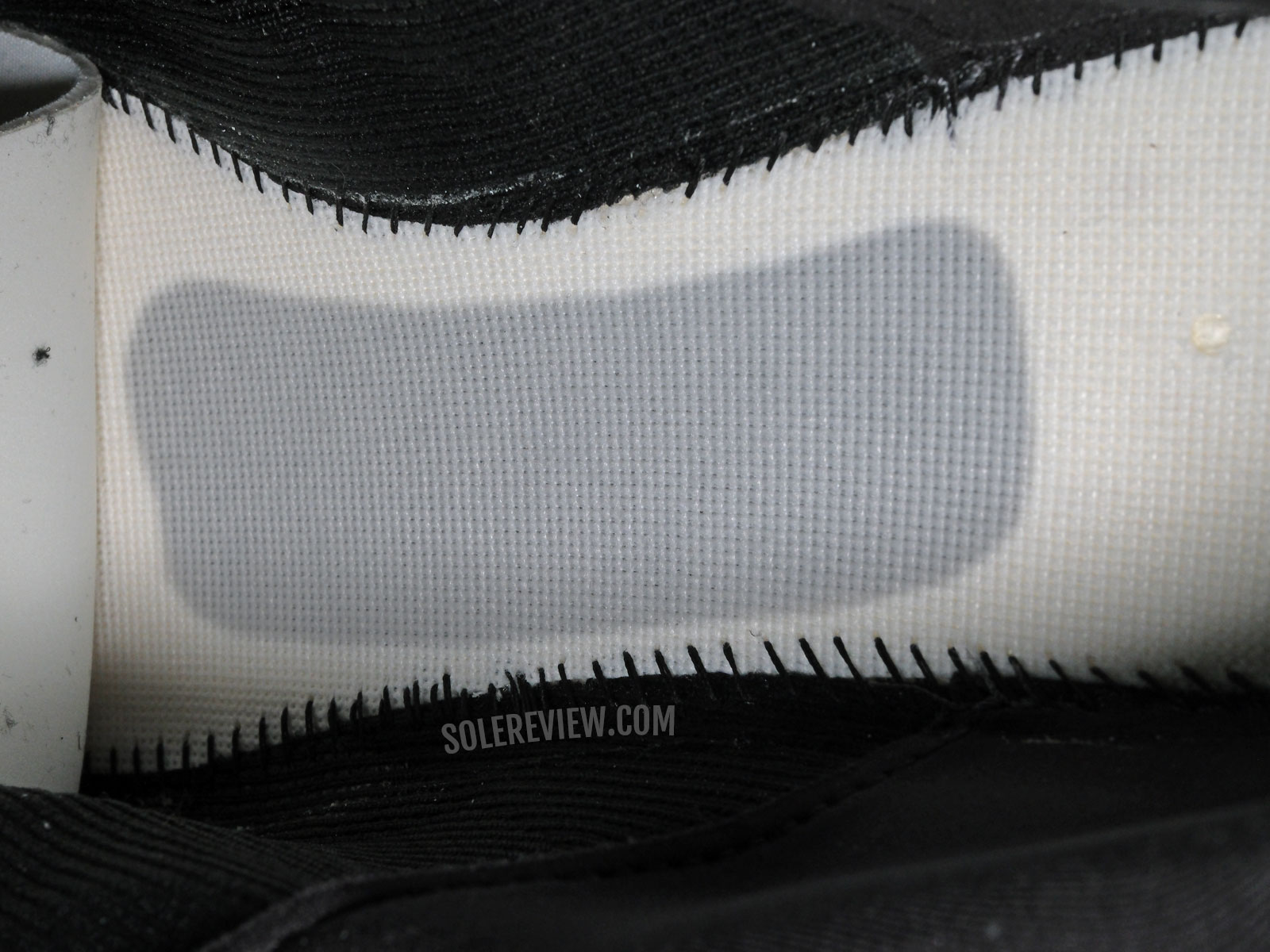
- Insole: Die-cut, non-removable.
FAQs
What makes a running shoe ideal for supinators and underpronators?
The single most important criteria is – does the midsole architecture and upper fit allow the foot to roll naturally inwards? The midsole should deliver a compliant ride without compromising stability.
As a general rule, shoes which are truly neutral are a good fit. By neutral, we refer to the absence of a compression bias, when one side of the midsole is softer or firmer than the other. Therefore, shoes that target overpronators (eg. Hoka Gaviota 6, New Balance 860 V15) should be avoided.
Wait, what? Does that mean underpronators should avoid all models marketed as 'stability' shoes?
Not all ‘stability’ shoes are the same, so adopting a nuanced selection approach is advised. Stability shoes that use a firmer piece of foam (Hoka Gaviota 6) on the inner side, or a midsole designed to produce cushioning bias (New Balance 860 V15) are not ideal for supinators. However, if we’re referring to ‘supportive neutral’ running shoes like the Saucony Guide 19 and Nike Structure Plus, you’re good to go.
If I'm an underpronator, how should a running shoe fit?
The term ‘Goldilocks fit’ applies here. Stick to uppers without an aggressive midfoot or forefoot fit. The midfoot, in particular, should not have potential hotspot causing bands, clasps, or hidden seam bulges. The forefoot and toe box should not be too tight, pointy, or loose.
Is there an ideal midsole softness range that works for underpronators?
Relying on durometer readings (Asker C) alone is unreliable, since how soft or compressible a midsole is depends on the overall architecture rather than just the isolated material reading(s). The saying the ‘whole is greater than the sum of its parts’ applies here. It’s best to first try the shoes on at you local running store. Walk around in potential options, and if the midsole feels as it is sinking deep when loaded, avoid them. As a general rule, firmer is safer.
What kind of running shoes are best for heavy underpronators?
Shortlist shoes with dense cushioning foams and wide platforms that promote a firm and supportive feel. Good examples would be the Saucony Ride 19, Saucony Triumph 23, Saucony Guide 19, or the Puma Deviate Nitro 4. Saucony gets a special mention here because of their dense Pwrrun+ (E-TPU) and relatively firm Pwrrun PB (PEBA) foams. Other Puma shoes like the Magnify Nitro and Velocity Nitro will work just as well.